
25 guides
Restoration and preservation guides
Tested, specific, and honest about what each method can and cannot fix. Written by the people who make the Photo Restore app, which means we will also tell you when a free option is good enough.
Damage and repair
Tears, water, fading and blur. What each one actually needs, and the honest limits.
How to flatten a curled or rolled photograph
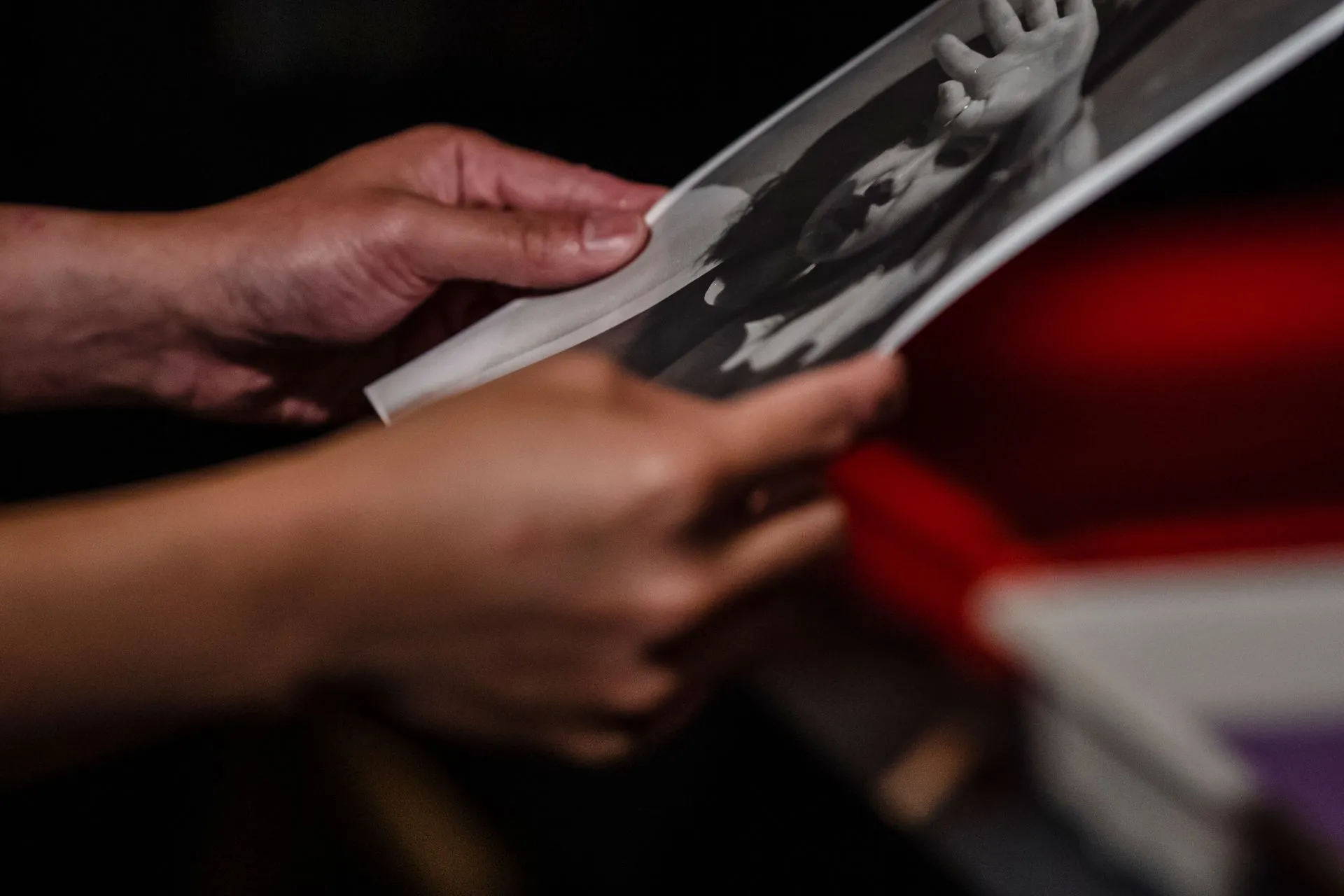
Old prints curl because paper and emulsion pull against each other as humidity changes, and a tightly rolled print is the dangerous end of that same problem. Here is why it happens, the slow humidity method that flattens a print without cracking it, and what to never try instead.
8 min readHow do you restore an old photo? The whole method, start to finish
Restoration is six steps in a fixed order, and the order matters more than the software. Assessing damage, capturing a clean copy, repairing it, handling colour, keeping the master, printing the result, and picking a tool on whatever device you actually own.
14 min readWhat damage cannot be repaired in an old photo
Restoration rebuilds from what survives, so when nothing survives there is nothing to rebuild from. The five kinds of loss that are genuinely permanent, how to recognise them, and what is still worth doing when you have one.
8 min read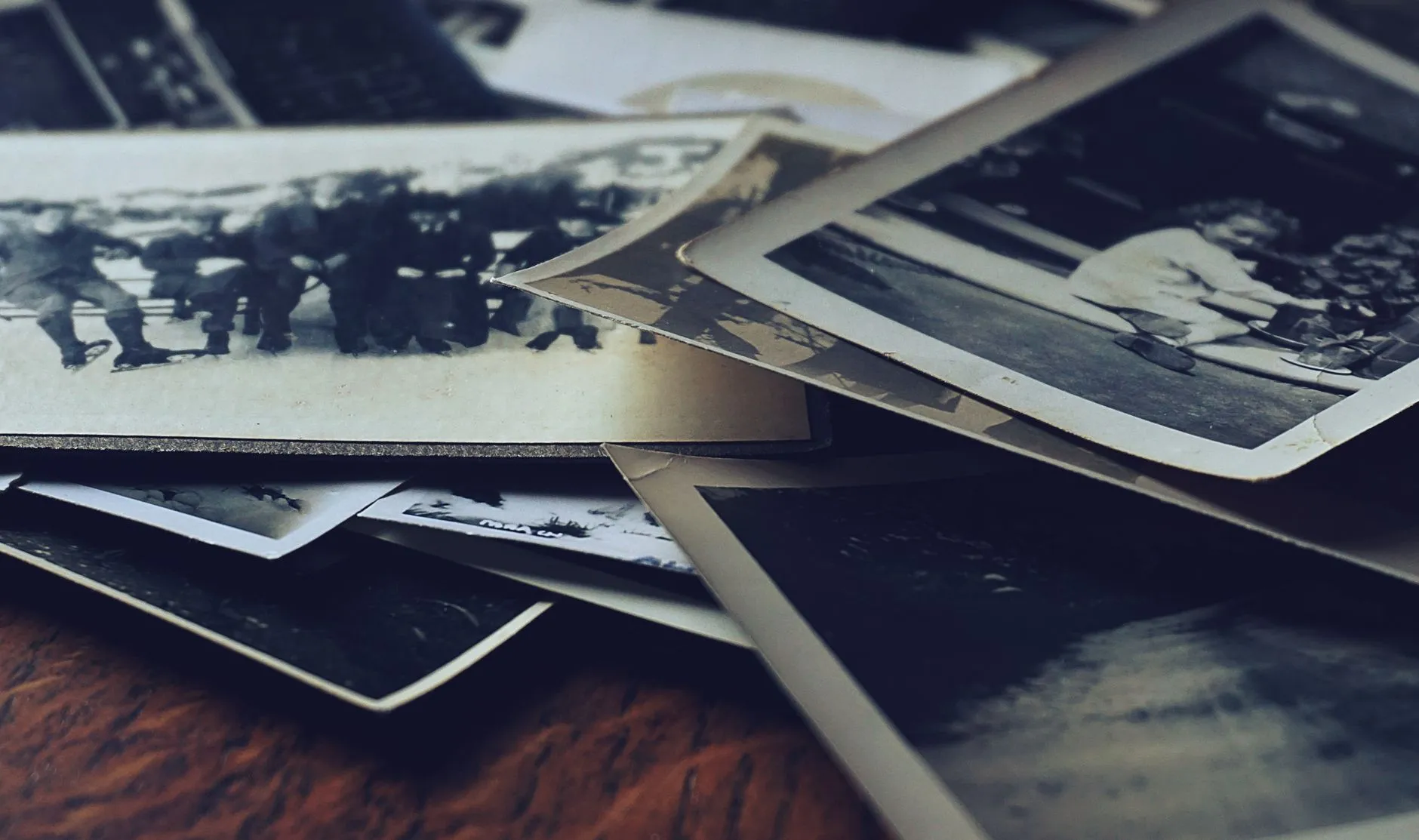
How to separate photographs that have stuck together
Old prints fuse when damp meets pressure meets a gelatin emulsion, whether they are stacked in a box or pressed against the glass of a frame. Here is the soak method conservators use, the controlled humidity method for framed prints, what each costs you, the formats that must never touch water, and when to stop and scan instead.
14 min read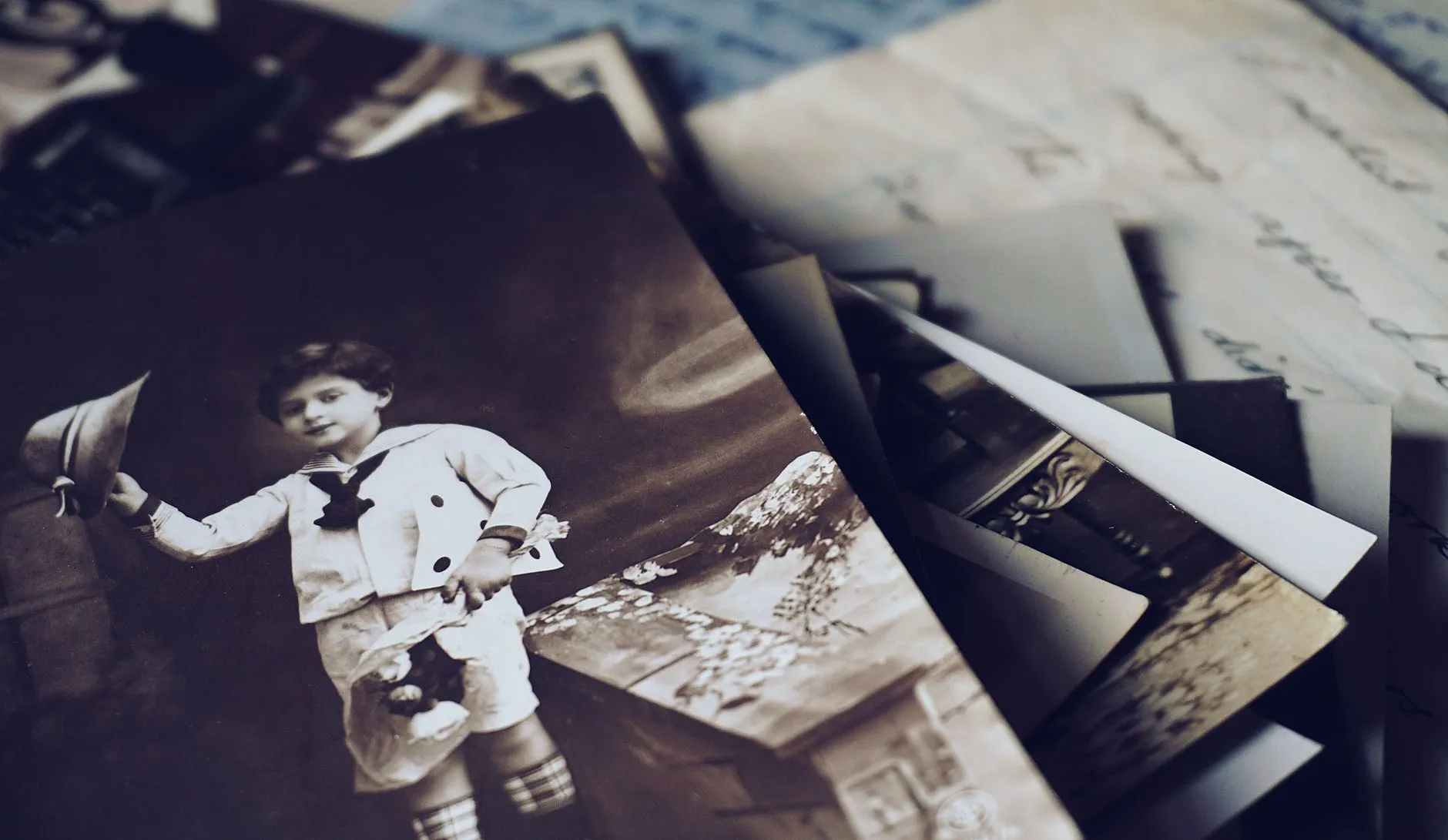
Why old photos turn orange, and whether it can be reversed
That orange cast is not dirt and it is not fading light. It is one dye layer outliving the others, which explains why the damage looks the way it does and what can honestly be recovered.
7 min readScanning and digitising
Getting a good copy off the paper, because every restoration is only as good as its scan.
TIFF or JPEG for scanned old photos: which should you keep?
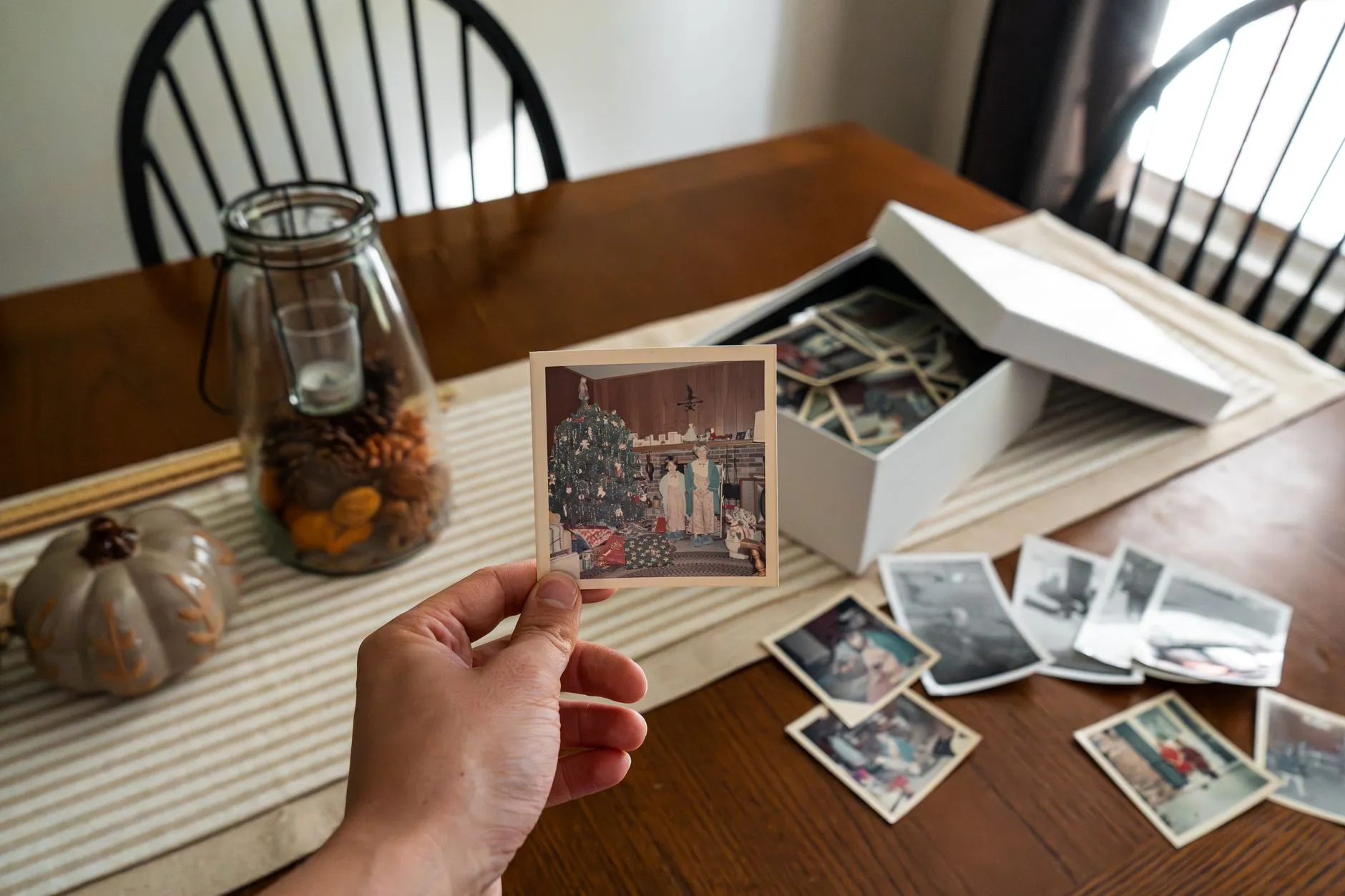
The honest answer is both, for different reasons. What generation loss actually does to a JPEG over years of reopening and resaving it, the master and copy habit that avoids the problem entirely, and what the choice really costs in storage for a full collection.
8 min read
How to scan old photographs with a phone, properly
A phone camera can produce a genuinely good digitisation of a print, but only if you get the light right. Here is the technique, the glare fix, and an honest look at how many pixels you actually end up with.
7 min read
Scan or Photograph? Deciding Which Is Right for the Print in Front of You
A flatbed is not always the right tool. Here is the decision tree for choosing between a scanner and a camera, print by print, and how to get a camera capture that holds up.
7 min read
How to digitise a whole photo album without damaging it
Scanning loose prints is one problem. A bound album is a different one, because the thing holding the photographs can be worth more than the photographs. Here is how to get every page digitised without cracking a spine or losing the order.
9 min read
How to scan 35mm slides and negatives at home
A box of slides is not a box of prints. Here is the honest workflow for digitising 35mm film yourself, from choosing equipment to the one cleaning mistake that ruins a roll.
8 min read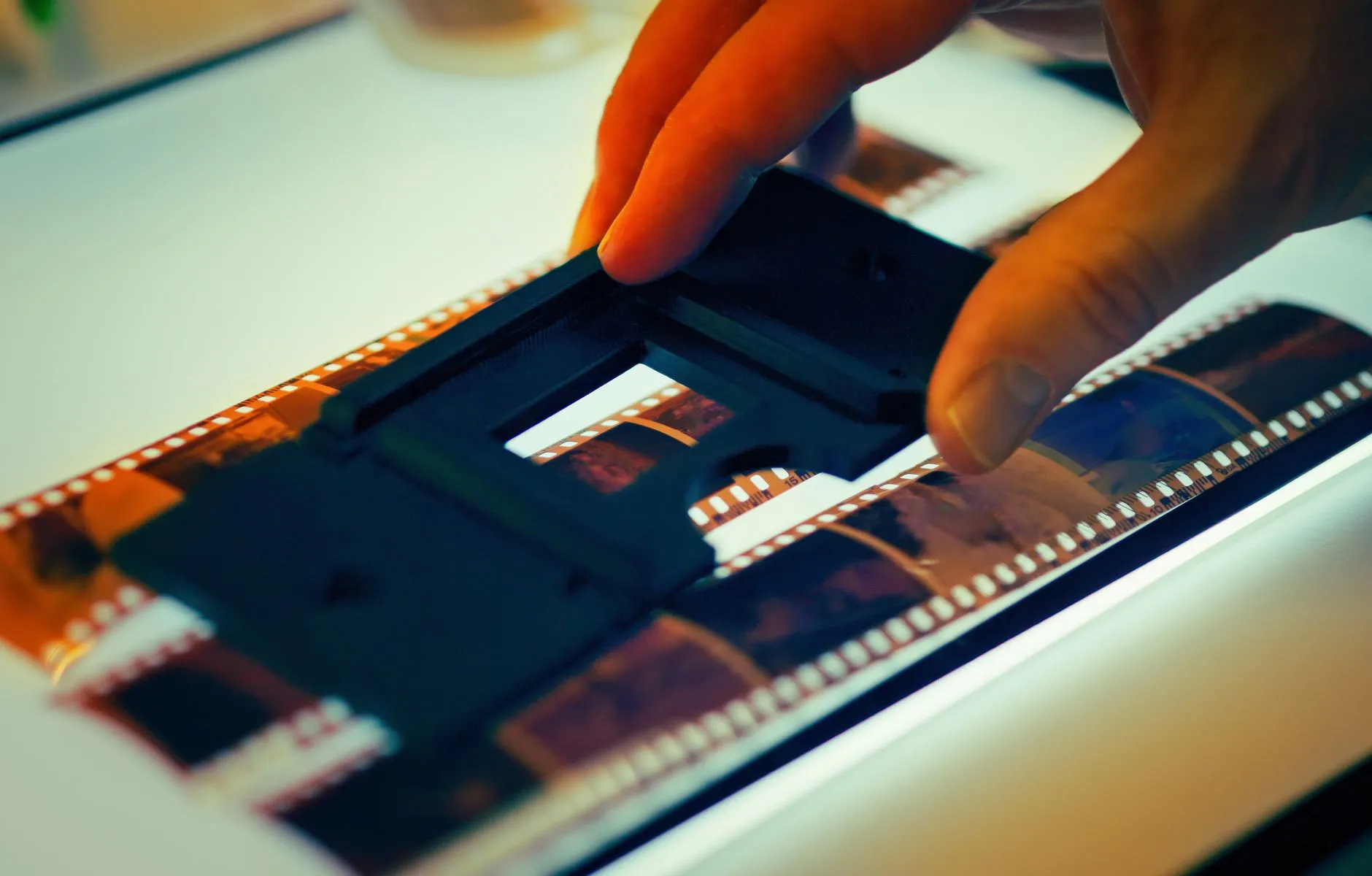
What DPI should you scan old photos at?
The honest answer depends on the size of the print, not on a single magic number. Here is the resolution for each case, plus the colour mode, bit depth, file format and automatic filters that decide whether a scan is worth keeping at all.
16 min readPreservation and storage
The unglamorous half nobody covers. How to stop losing photographs in the first place.
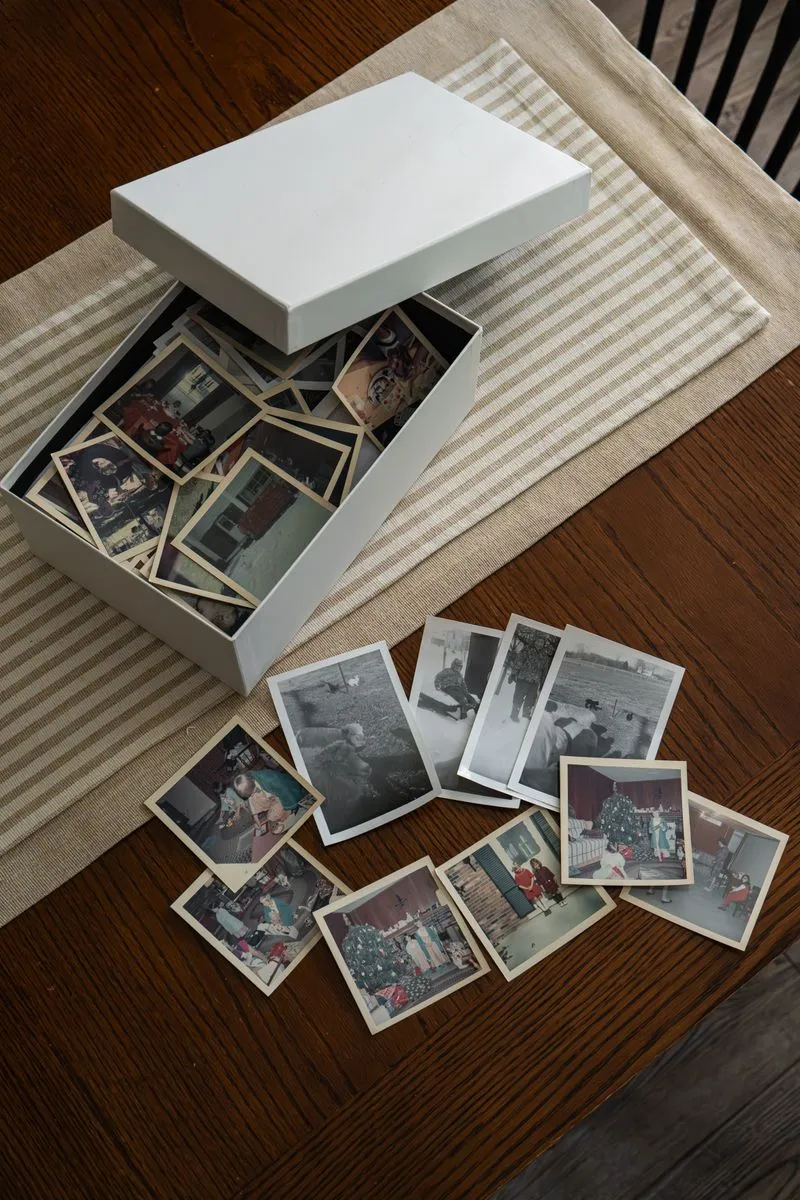
How to sort a box of old family photos in an afternoon
A shoebox of loose prints feels impossible until you stop asking who, when and where at the same time. Here is the four-pile method for triaging a whole collection in one sitting, and what to do with the duplicates and the photos of nothing that make up half of it.
10 min readHow to print and frame a restored photo
A restored photograph that lives only on a phone has not really been rescued. How large you can print, which paper suits which image, what glazing actually protects, and where in the house a framed photograph survives.
8 min read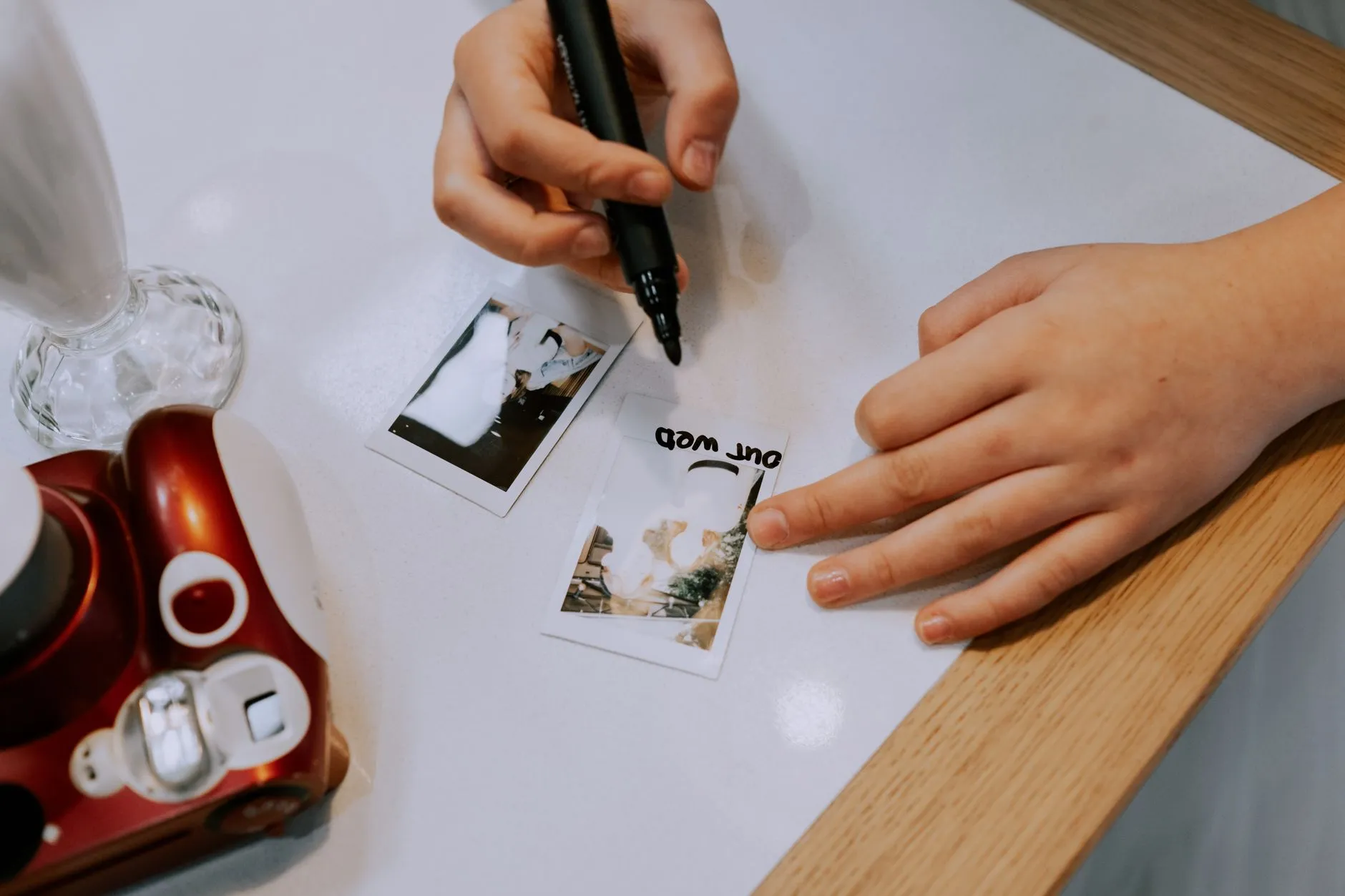
How to label old photos without damaging them
The wrong pen can ruin a photograph faster than forty years in an attic. Here is which pencil actually works, where to write, and why the safest place to put a caption is not on the print at all.
7 min read
How to organise four hundred scanned family photographs
A shoebox of loose prints becomes four hundred files named IMG_0001 through IMG_0400, and nobody can find anything. Here is how to sort the box in one pass, then build a folder and filename system that still makes sense in twenty years.
13 min read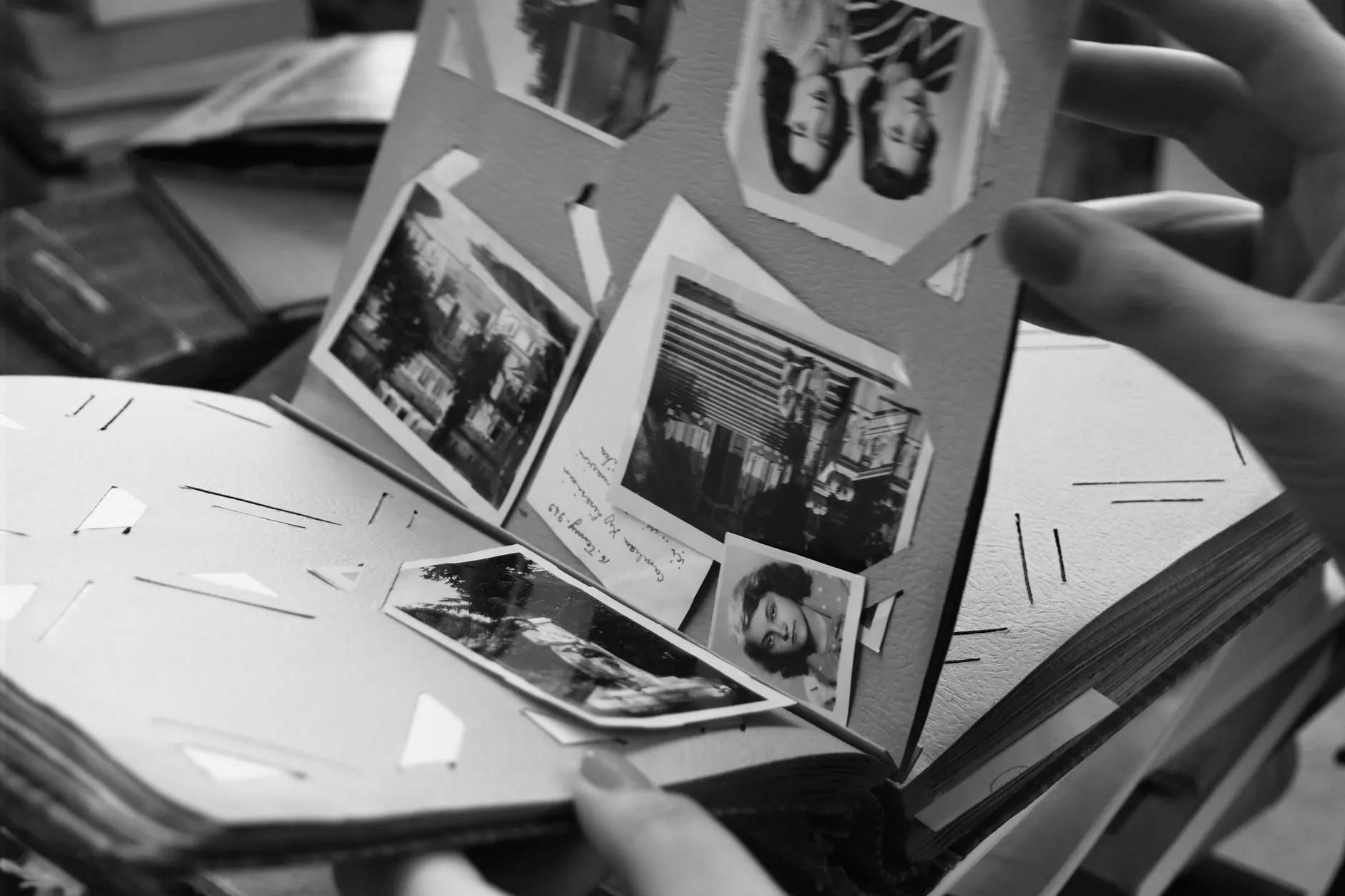
How to get photographs out of a sticky magnetic album
Magnetic albums from the 1970s and 1980s bond photographs to the page as they age. Here is why that happens, three removal methods in order of risk, and when the right answer is to stop pulling and scan the page instead.
8 min read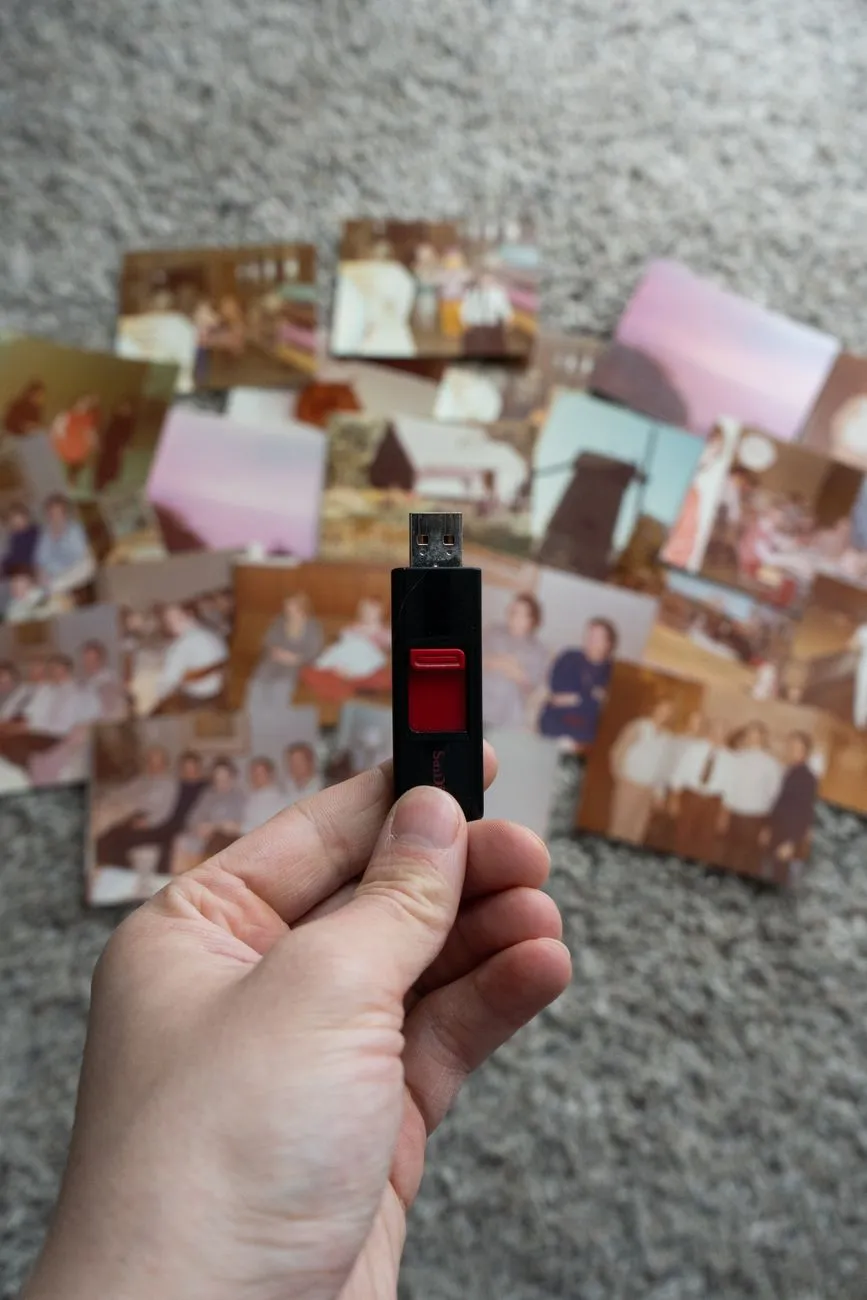
How to back up scanned family photos so they actually survive
A scan is not a backup. Here is the copy-in-three-places rule conservators and IT people actually agree on, which cloud services quietly compress your photos, and why the drive in the drawer will fail eventually.
9 min read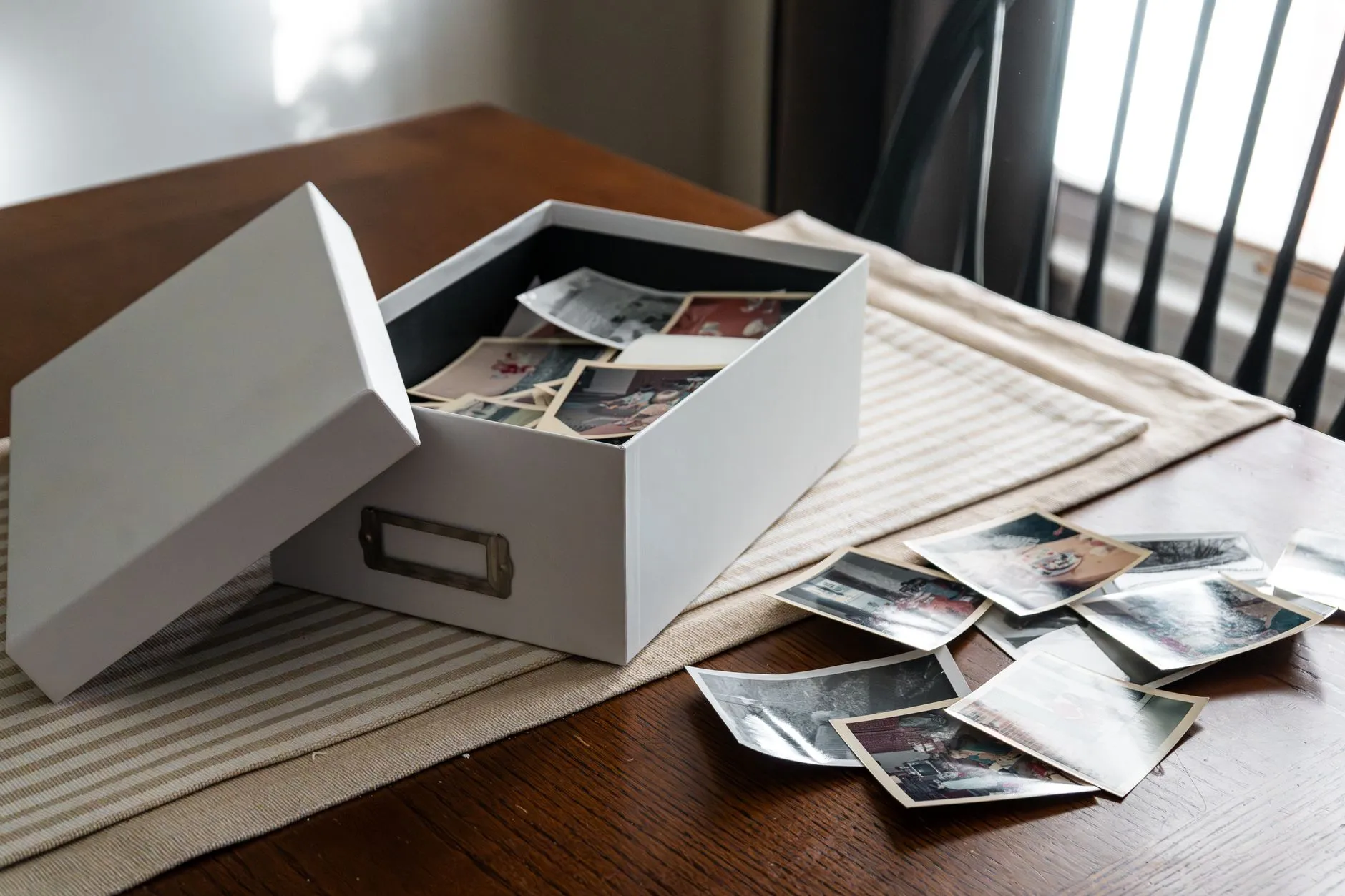
How to store old photographs so they stop fading
Most family photographs are not damaged by accidents. They are damaged slowly, by the room they live in and the materials they sit against. Here is what actually matters, which sleeve plastics are safe, what "acid-free" and "archival" really mean, and the three places in a house you must never use.
14 min readChoosing an approach
Free tools, paid tools, apps and human restorers. When each is genuinely the right call.
How long does it take to restore an old photo?
Seconds with an app, an evening by hand in an editor, days or weeks through a professional. Where the time actually goes on each route, why the scan is the part nobody budgets for, and how long a whole box really takes.
8 min readIs it safe to upload family photos to a restoration app?
Usually yes, and the risk is not the one people expect. What actually happens to an uploaded photograph, the four clauses worth finding in any app's terms, the cases where you should not upload at all, and our own position stated plainly.
8 min read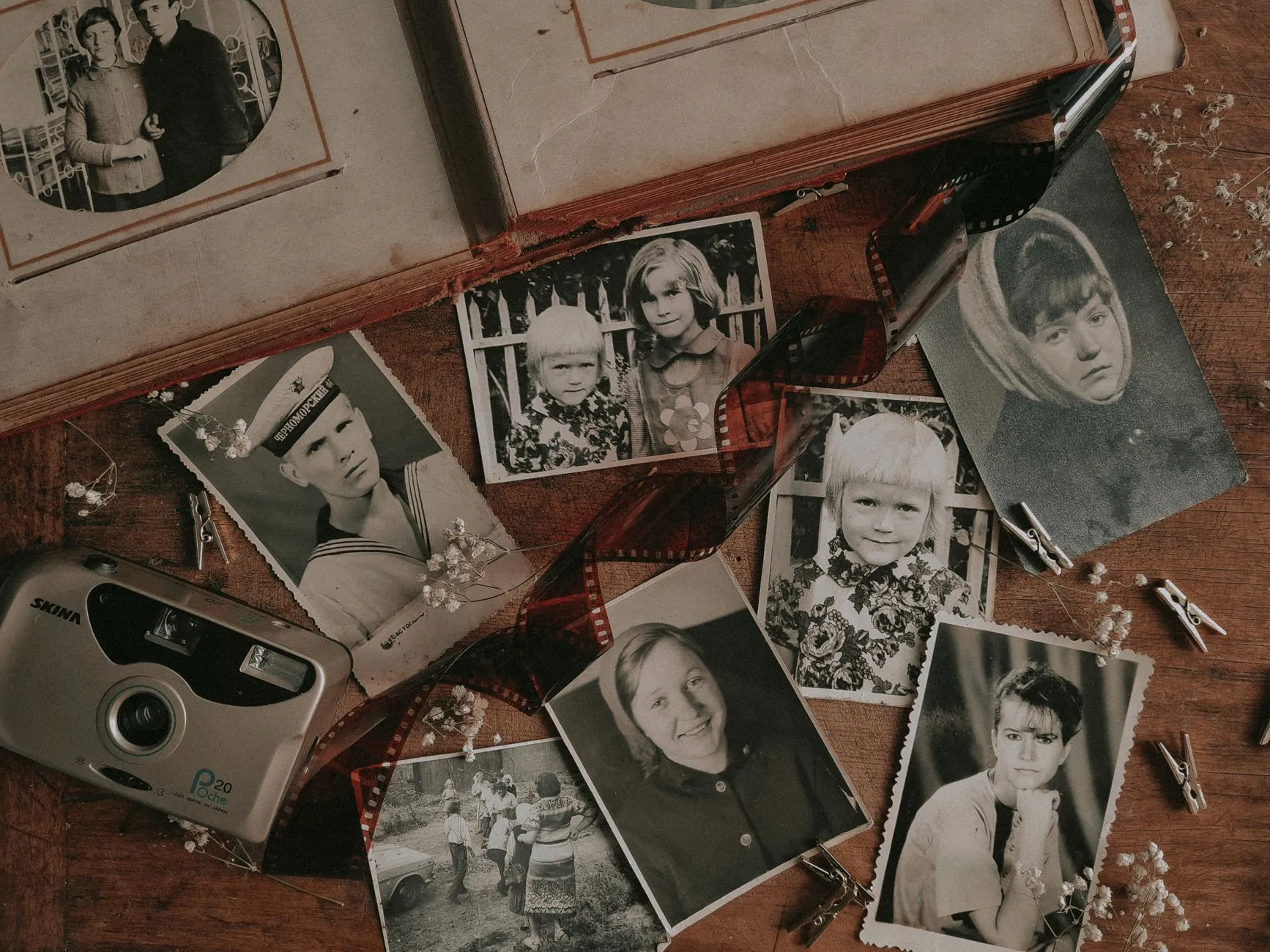
Should you colourise your old black and white photographs
Colourisation is a plausible guess, not a recovery. Here is what it actually adds, where it genuinely helps, and why the original scan should always survive alongside it.
7 min read
Photo scanning service vs doing it yourself: the real comparison
The honest way to decide between a scanning service and a DIY scan-a-thon. Put a number on your own time, know what services quietly skip, and ask the right questions before you mail anything.
8 min read
The best way to restore old photos on an iPhone
A full workflow for restoring old family photos on an iPhone, from capturing the print to keeping a safe original, with an honest look at what a phone can and cannot do compared to a scanner.
7 min read
What photo restoration actually costs, and when it is worth paying
Four honest price bands for restoring an old photograph, from free apps to archival studios with a guarantee. What actually moves the price, and the one cheap thing you can do that improves every option on this list.
8 min read
Free AI photo restoration tools, an honest look at what they can and cannot do
There are dozens of free one-click restorers and several are genuinely good. Here is what the models are actually doing, what free tiers handle well, the four things they consistently fail at, how to check a result before you trust it, and the questions worth asking before you upload a photograph of someone you loved.
18 min read